150 years of TUM – Stories from the 2018 anniversary
Plastic surgery
Beyond cosmetic – helping and healing
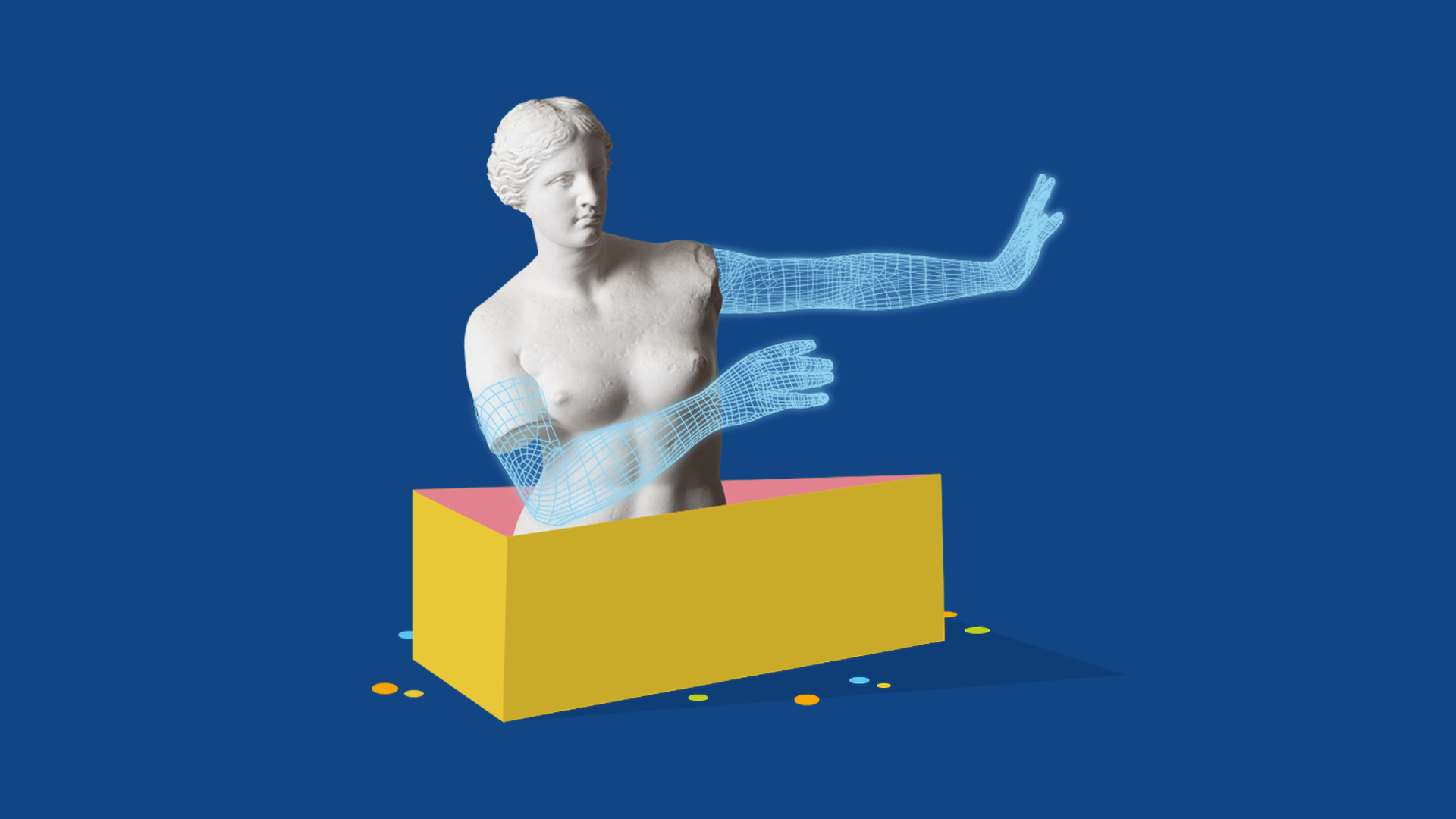
The first ever transplant of two complete arms was performed on a farmer from Germany’s Allgäu region, who lost both limbs after an accident with a maize chopper. Never before had such a large amount of foreign tissue been transplanted into a human being. The operation was a resounding success: a few years later, the patient was again able to ride a bicycle and drive a tractor without assistance.
This medical marvel took place in 2008 at the same spot where this type of surgery was pioneered in Germany fifty years earlier: the Klinikum rechts der Isar hospital of the Technical University of Munich (TUM). In 1958, young doctor Ursula Schmidt-Tintemann established a department for plastic surgery here – the first of its kind in Germany.
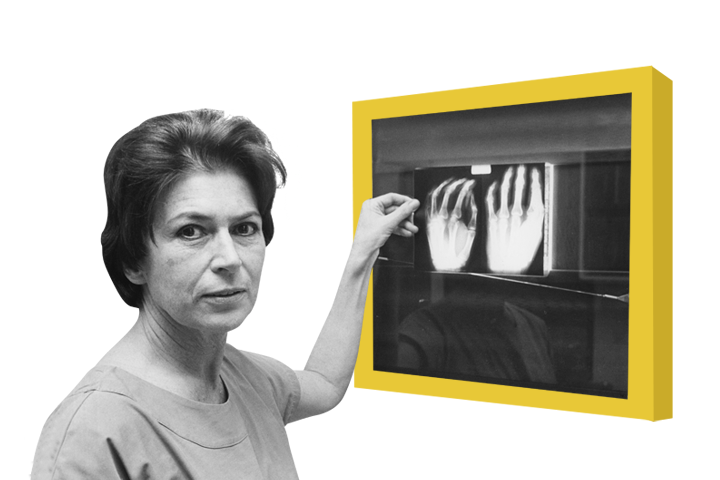
The patients were mainly victims of fire, acid, war and accidents. Together with her colleagues, Schmidt-Tintemann worked to reconstruct faces and injured body parts. They transplanted tissue such as skin, nerves and bone to restore damaged areas of the body and close wounds. Above all, Schmidt-Tintemann’s aim was healing and helping people. Doctors from all over Germany came to Munich to be trained by her.
How plastic surgery made its way to Munich
After the Second World War, plastic surgery was already established in other countries but there was no sign of this discipline in Germany. During a period of study in Vienna, Austria, Ursula Schmidt-Tintemann came across this discipline herself and then went on to train in plastic surgery in the US and UK. When she opened her own department at TUM’s Klinikum rechts der Isar hospital in 1958, this marked the birth of plastic surgery in Germany.
Role model for a generation of surgeons
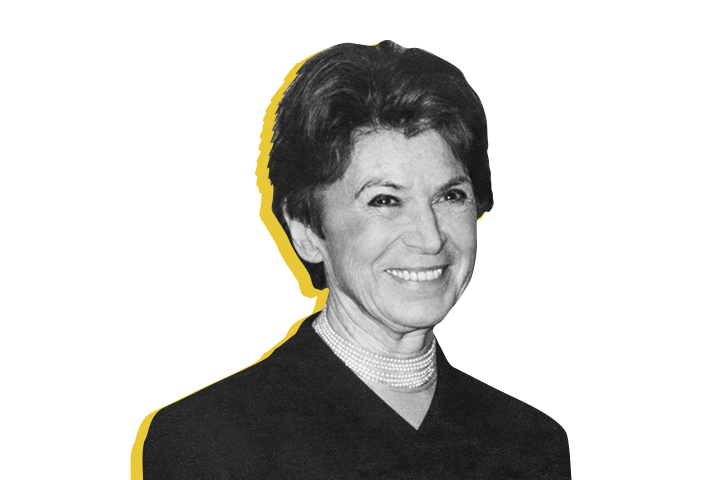
In the male-dominated surgical world, it is unusual – even today – for a woman to establish a new discipline. Back in the late 1950s, it was nothing short of a sensation. With her work as a doctor, her assertiveness and her ethical principles, Ursula Schmidt-Tintemann had a profound influence on plastic surgery.
Thanks to her, it became a highly regarded discipline in Germany, associated with exacting moral and ethical standards. And Schmidt-Tintemann herself became a role model for a whole generation of plastic surgeons.
More than skin deep
Schmidt-Tintemann viewed her work as a reconstructive surgical discipline – intended to restore the form, function and esthetics of the body in strict accordance with medical indications. She remained wary of purely cosmetic procedures throughout her life.
“Unfortunately, the term ‘plastic surgery’ is often misused,” she said with regret. “It encompasses so much more than just cosmetic interventions.” However, she stopped short of a blanket rejection of surgery solely on esthetic grounds, for instance citing psychological reasons as possible grounds for cosmetic interventions.
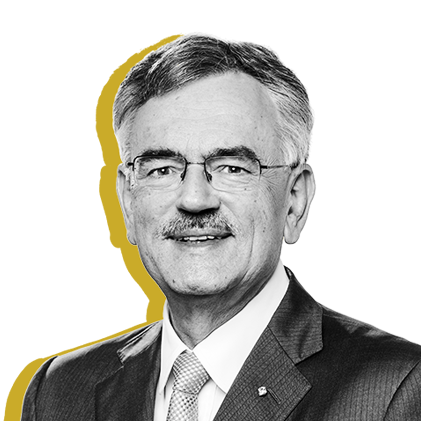
“As a pioneer in her field, she brought national prestige and international visibility to TUM’s medical faculty and Klinikum rechts der Isar hospital. She set a precedent both medically and ethically for subsequent generations of esthetic plastic surgeons and is regarded as a role model for women in medicine.”
Wolfgang A. Herrmann, President of the Technical University of Munich
Disclaimer
This story was published in 2018 to mark TUM’s 150th anniversary on a jubilee website that has since been deactivated.
Text: TUM Web Communications Team; Graphics: KW NEUN

Literature on the history of TUM
- Wolfgang A. Herrmann (Hrsg.), Martin Pabst/Margot Fuchs (Verf.), Technische Universität München - Geschichte eines Wissenschaftsunternehmens, 2 Bd., Berlin 2006.
Link to the online catalog of the University Library - Wolfgang A. Herrmann, Winfried Nerdinger (Hrsg.), Die Technische Hochschule München im Nationalsozialismus, München 2018.
Link to free download via mediaTUM (PDF, in German, 79 MB)
Link to order the book
Link to copies in the University Library - Irene Meissner, Bauten+Kunst. Technische Universität München 1868-2018, München 2018. Link to the online catalog of the University Library
- Martin Pabst, Alumni der TUM. Prägende Gestalter aus der Technischen Universität München, München 2018. Link to the online catalog of the University Library
- Martin Pabst, Köpfe der TUM. Geniale Entdecker und Erfinder aus der Technischen Universität München, München 2018. Link to the online catalog of the University Library
- Brigitte Röthlein, Pioniere gestalten die Welt der Technik. 150 Jahre Forschung an der Technischen Universität München, München 2018. Link to the online catalog of the University Library
Further books and information on the history of TUM
Acknowledgements
We would like to thank everyone who helped us write the texts and create the visualizations. In particular, we would like to thank the authors of the books mentioned, the experts at the chairs, professors, staff, and press officers at the TUM Corporate Communications Center. We would also like to thank the staff of the Architecture Museum, the TUM German Heart Center, the TUM Klinikum rechts der Isar, the European Space Agency (ESA), and everyone else who provided us with expert advice and image material.
The anniversary stories were written by the TUM Web Communications team. The graphic content was created by KW NEUN – Designagentur.